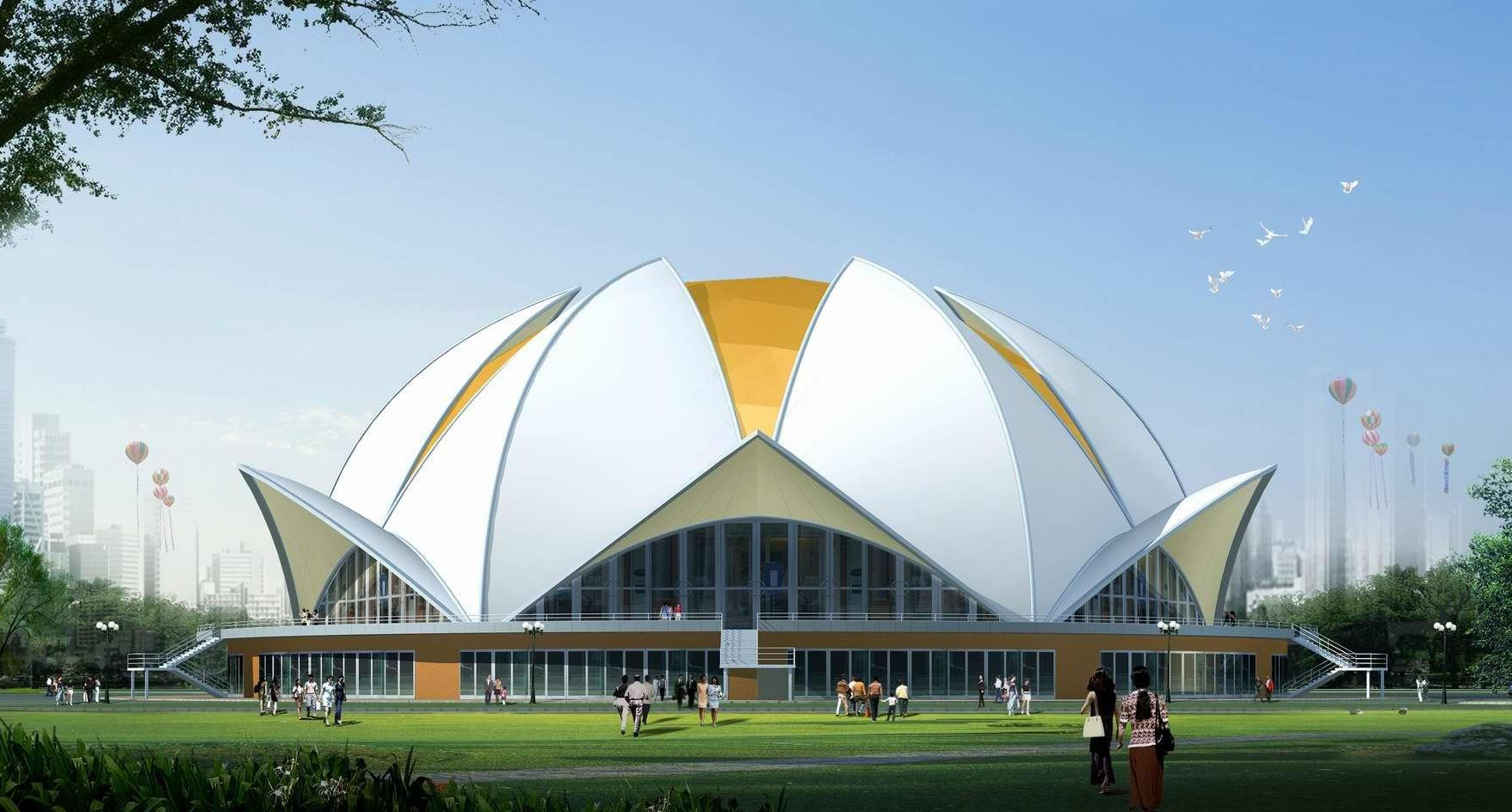
Membrane structure curtain wall
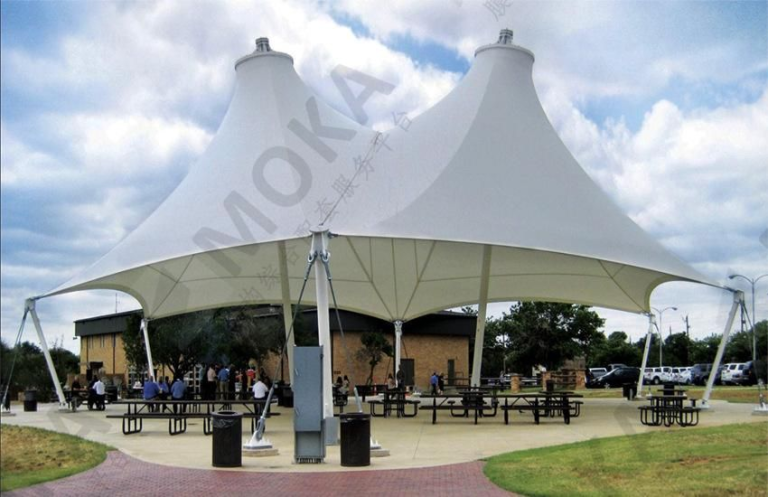
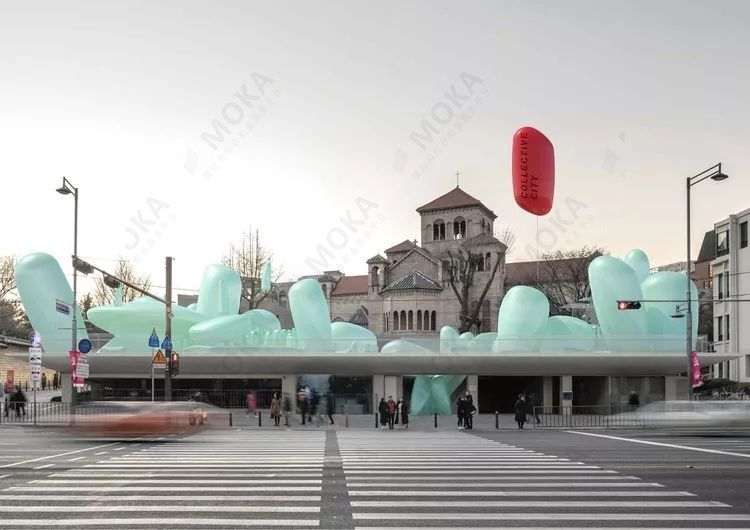
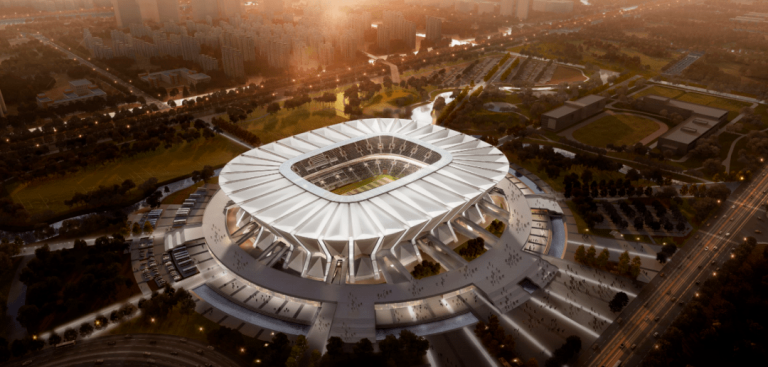
Membrane structure curtain wall is the application of membrane structure in building envelope structure, which has the common characteristics and advantages of membrane structure: membrane structure is a non-traditional new structural form. The dynamic and varied curved surfaces, free and flexible large spaces, bright and soft indoor environments formed by transparent and semi transparent membrane materials, and modern construction techniques reflected by masts, cables, and exquisite metal nodes provide people with a new visual experience that is different from traditional structures, and offer vast space and many new possibilities for architectural design (including architectural environment design).
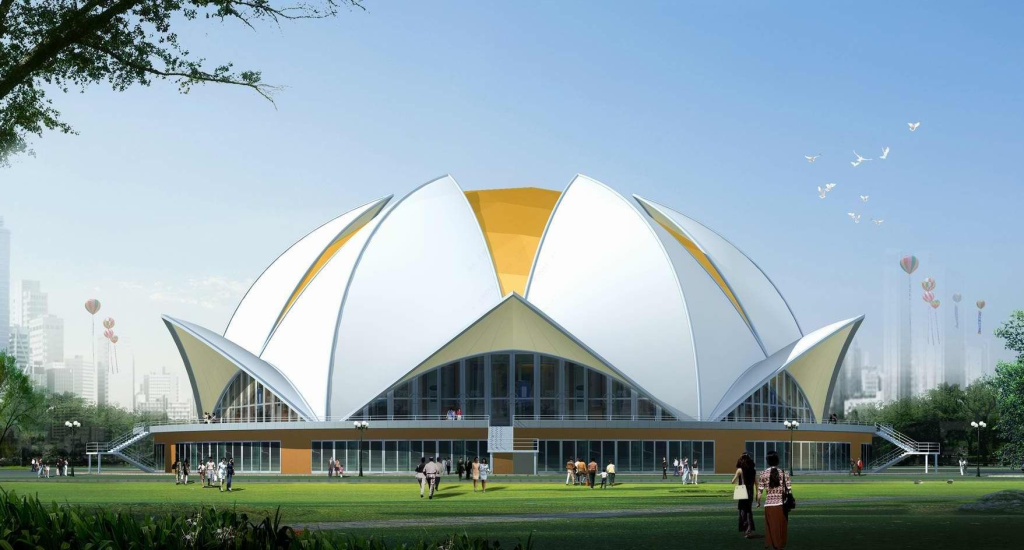
Modern membrane structure technology has undergone more than 30 years of development in developed countries such as Germany, the United States, and Japan, and is now becoming mature. Closely cooperate and collaborate with each other. In fact, the architectural and structural schemes of this novel system are a unified whole and should be combined and completed simultaneously.
The calculation and analysis of membrane structures also have their own particularities, for example: this flexible structural system has a large displacement, and its geometric nonlinearity must be considered in the calculation; Wind is the determining external load in membrane structure design, and membrane structures are highly sensitive to the dynamic effects of wind. Therefore, it must be considered in design calculations, and sometimes even further consideration should be given to the coupling effect between airflow and structure, known as the aeroelastic dynamic response problem. These characteristics have to some extent increased the difficulty of designing membrane structures.
The development of membrane structures and membrane curtain walls relies on the technological revolution and development of membrane villages. From a historical perspective, the revolution in material technology has brought more and more creativity to architecture, as well as endless high requirements. From modernism to postmodernism, to deconstructionist architectural theory, and even the so-called chaos theory, there is no exception to the demand for material revolution, and each material revolution adds more new creative vocabulary to architecture. From the perspective of architectural color theory, by observing the color of the interior through the color or natural color of the building facade, from light to dark or from dark to light, architects can layout according to the depth of the hierarchy, the arrangement of color temperature, and the differences in the direction of day and night light sources to achieve the desired optical color effect of the building.
From the perspective of architectural aesthetics, with people’s understanding and grasp of architectural beauty, the creation and development of architecture have been promoted from different perspectives. A good environment can stimulate people’s aesthetic sense, and it can also give people different psychological feelings such as identity, familiarity, identification, cultural and adaptability. The advancement of material technology can stimulate the spirit of heresy in architectural creation art, often transforming such heretical and unreasonable designs into rationalization through the use of new materials. By adopting updated construction methods, this heretical idea can be realized. From an architectural perspective, the looseness, disorder, dislocation, strangeness, and contingency of deconstructionism can all receive good nourishment in the progress of materials science, permeate into architectural culture, and create great miracles of diverse and ingenious works. Membrane structure, membrane structure curtain wall, and membrane structure roof are exactly like this.